Understanding Lawn Weeds With Thorns
Taking care of your lawn is important to keep it looking nice and safe for everyone. One problem many homeowners face is dealing with weeds that have thorns. These weeds not only make your lawn look messy but can also hurt people and pets.
This article will explain some common types of thorny weeds, how they affect your lawn, and ways to get rid of them.
Common Thorny Lawn Weeds
Thorny weeds have sharp parts that can hurt people and pets. It’s important to spot these weeds early and use ways to get rid of them, like pulling them out, mowing the lawn, and using weed killers.
Here are some common thorny lawn weeds:
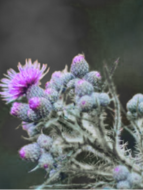
1. Thistle (Cirsium spp)
Thistles are known for their prickly leaves and stems. They can grow tall and have purple or pink flowers.
- Impact: Thistles can quickly spread and take over your lawn, making it hard to walk on and manage.
- Control: You can pull thistles out by hand, making sure to get all of the roots. Using weed killers made for broadleaf plants can also help.
- Regions: Thistle is common in many regions, particularly in temperate climates across North America and Europe.
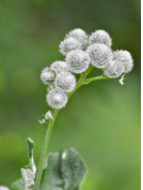
2. Burdock (Arctium spp)
Burdock plants have big, heart-shaped leaves and produce seed heads covered in tiny hooks that stick to clothes and fur.
- Impact: These seed heads spread the weed and can be uncomfortable for pets and people.
- Control: Regularly mowing your lawn stops burdock from making seeds. For bigger plants, you need to dig out the roots. Weed killers can also be used.
- Regions: Burdock is widespread in North America, Europe, and Asia.
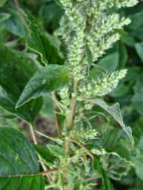
3. Spiny Amaranth (Amaranthus spinosus)
This weed has prickly stems and small flowers. It grows fast in disturbed soil.
- Impact: The spiky stems can hurt and annoy people using the lawn.
- Control: Pulling out small groups of these weeds works. Make sure to get the roots out. Weed killers that stop seeds from growing can help too.
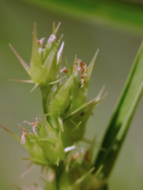
4. Sandbur (Cenchrus spp.)
Sandbur is a grassy weed with burrs covered in spikes. It likes sandy soil and spreads quickly.
- Impact: These burrs can stick to skin, clothes, and fur, causing pain and spreading more weeds.
- Control: Keeping your lawn thick and healthy stops sandbur from growing. Weed killers that work after weeds grow can be used too. Mowing before the burrs show up keeps seeds from spreading.
- Most Common in: United States, Australia
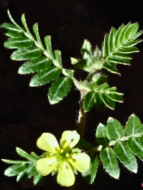
5. Goathead (Tribulus terrestris)
Goathead weeds, also called puncture vines, have small yellow flowers and thorny seed pods that can hurt people and pets.
- Impact: Thorny seeds make walking barefoot on your lawn risky and can hurt pets.
- Control: Take out these weeds by hand before they can make seeds. Weed killers can help, especially when you use them early.
Preventing Thorny Weeds
It’s easier to stop these type of lawn weeds from growing than to get rid of them once they’re there.
Here are some ways to keep them out:
- Regular Lawn Care: Mow, water, and fertilize your lawn often. A thick, healthy lawn doesn’t give weeds a chance.
- Good Mowing: Don’t cut your grass too short. This can stress it out and make room for weeds. Find out how tall your grass should be and mow it right.
- Healthy Soil: Keep your soil healthy and airy. Hard soil makes weeds grow more. Aerate your lawn often and use good fertilizer.
- Mulch: Use mulch in places where you don’t have grass. This stops weeds from growing.
- Early Weeding: Check your lawn often and get rid of any weeds you find before they can make seeds. Doing this stops thorny weeds from taking hold.
- Weed Killers: Use weed killers before weeds start growing. This works well for weeds like sandbur and spiny amaranth.
Conclusion
Thorny weeds are a big problem for lawns. They can hurt people and pets and make your lawn look bad. By learning about these weeds and using the right ways to stop them, you can have a safe and nice lawn. Keep your lawn in good shape and use the right tools to get rid of these pesky weeds.
For more help with weed killers and other ways to take care of your lawn, talk to a gardening expert near you. With work and the right plans, you can have a great lawn without thorns.
FAQs about Weeds and Weed Control
For controlling thorny weeds include hand-pulling, mowing, and using weed killers. It’s important to remove the entire root system to prevent regrowth.
Thistle can be identified by its prickly leaves and tall growth with purple or pink flowers. It is commonly found in temperate climates across North America and Europe.
Burdock is commonly found in North America, Europe, and Asia. It is recognized by its large, heart-shaped leaves and bur-like seed heads that stick to clothing and fur.
Preventing thorny weeds involves regular lawn maintenance, such as mowing, watering, and fertilizing. Using mulch or ground covers, applying pre-emergent herbicides, and regularly inspecting and removing weeds before they set seeds can also help.
To safely remove goathead weeds, pull them out by hand before they flower and set seeds. Using weed killers during the weed’s early growth stages can also be effective. Goat head weeds are commonly found in regions like the southwestern United States such as Arizona, New Mexico, Nevada, California, Utah & Texas.
Regular lawn maintenance keeps your lawn healthy and dense, making it harder for thorny weeds to establish. Proper mowing, watering, and fertilizing create a strong lawn that can outcompete weeds.
There are various herbicides specifically designed for broadleaf weeds and pre-emergent herbicides that can help prevent weed seeds from germinating. Consulting with a local gardening expert can help you choose the best herbicide for your specific situation.